We Build Technology That Moves Businesses Forward.

We turn ambitious ideas into powerful digital products, intelligent software, and meaningful digital experiences — helping businesses innovate, operate smarter, and grow.

From our own software products to custom digital solutions and game development — one technology partner, multiple possibilities.

From our own software products to custom digital solutions and game development — one technology partner, multiple possibilities.

02 /Who we are

We build our own products, and we build for others.

Build Innovate Grow

Codoxa Studio develops software it owns and maintains, engineers custom systems for businesses that need something built to fit, and makes games and interactive work. Those three practices feed each other: running our own products teaches us what breaks at scale, and client work keeps us close to problems we would never encounter on our own.

We start from how a business actually runs — the orders, the registers, the schedules, the invoices — and build software that fits that reality rather than asking the business to reshape itself around the software.

05 /Services

Built to fit how you work.

  • A site that was adequate three years ago is now the slowest part of the business. Content needs a developer to change, the checkout loses people, and nobody can see what is happening on it.

    We start from what the site has to accomplish — enquiries, orders, bookings, self-service — then build the smallest thing that does it well, on a stack your team can actually maintain.

    • A site or web application built to your requirements, not adapted from a template
    • A content setup your team can edit without calling us
    • Analytics and search fundamentals in place from launch
    • Source code, documentation and a handover session
    Read more
  • Your customers expect an app, or your staff are running the business from paperwork and group chats. Either way the work is happening off-system and nobody can see it.

    We decide first whether an app is genuinely the right answer — often a good mobile site is. When it is, we build for the platforms your users are actually on rather than both by default.

    • Android and iOS applications, native or cross-platform as the case warrants
    • Store submission, including the review process
    • Backend and API work where the app needs it
    • A release process your team can run
    Read more
  • The business runs on spreadsheets that only one person understands, or on software that was never meant for this and is now being worked around daily.

    We map how the work moves through the business first — who touches what, where it stalls, which records have to agree — and then build the system around that, not around a product category.

    • A system built to your operation, covering the workflows that matter
    • Migration of the data you already have
    • Integration with the tools you are keeping
    • Training for the people who will use it daily
    Read more
  • People avoid parts of the product, support answers the same question every week, or the interface has grown by addition until nobody can find anything.

    We watch how the product is actually used before changing it, fix what is costing people time, and leave behind a system the next change can be made within.

    • Research into how the product is used today
    • Interface design for the flows that matter most
    • A prototype you can click through before anything is built
    • A design system, so later work stays consistent
    Read more
  • The store takes orders but the work around them is manual — stock is counted twice, the catalogue is edited in two places, and nobody is sure what sold.

    We build the storefront and the operations behind it as one thing, because a store that sells well and cannot fulfil cleanly is not finished.

    • A storefront built on Shopify or as a custom platform, whichever fits
    • Catalogue, inventory and order workflows that match how you work
    • Payment and shipping set up with providers you choose
    • A launch checklist and post-launch support
    Read more
  • The accounts exist but nothing is posted consistently, the brand looks different everywhere it appears, and there is no way to tell which effort produced which enquiry.

    We work out who you are actually trying to reach before producing anything, then run a schedule you can sustain rather than a burst that stops in week three.

    • A content plan tied to what the business needs this quarter
    • Social media management and scheduled publishing
    • Brand identity and graphic design work
    • Reporting on what actually reached people
    Read more
Interface on a dark screen, standing in for a services illustration

A site that was adequate three years ago is now the slowest part of the business. Content needs a developer to change, the checkout loses people, and nobody can see what is happening on it.

We start from what the site has to accomplish — enquiries, orders, bookings, self-service — then build the smallest thing that does it well, on a stack your team can actually maintain.

  • A site or web application built to your requirements, not adapted from a template
  • A content setup your team can edit without calling us
  • Analytics and search fundamentals in place from launch
  • Source code, documentation and a handover session
Read more

06 /Industries

Where our products work today, and where they are headed.

Today

Today, our own software runs in restaurants and schools. Our custom development work has no such boundary — it follows the problem.

Planned directions

The areas below are planned directions for our product portfolio. They are not released products, and nothing in them is available to buy today.

  • Clinical setting, standing in for the healthcare future-direction
    Planned

    Healthcare management

    Hospital and clinic administration — patients, appointments, medical records and the dashboards above them.

  • Pharmacy shelving, standing in for the pharmacy future-direction
    Planned

    Pharmacy management

    Pharmacy point of sale with medicine inventory, stock levels, expiry tracking and sales reporting.

  • Ledgers and a calculator, standing in for the accounting future-direction
    Planned

    Accounting and financial management

    Invoicing, expenses, financial records and business reporting for small operations.

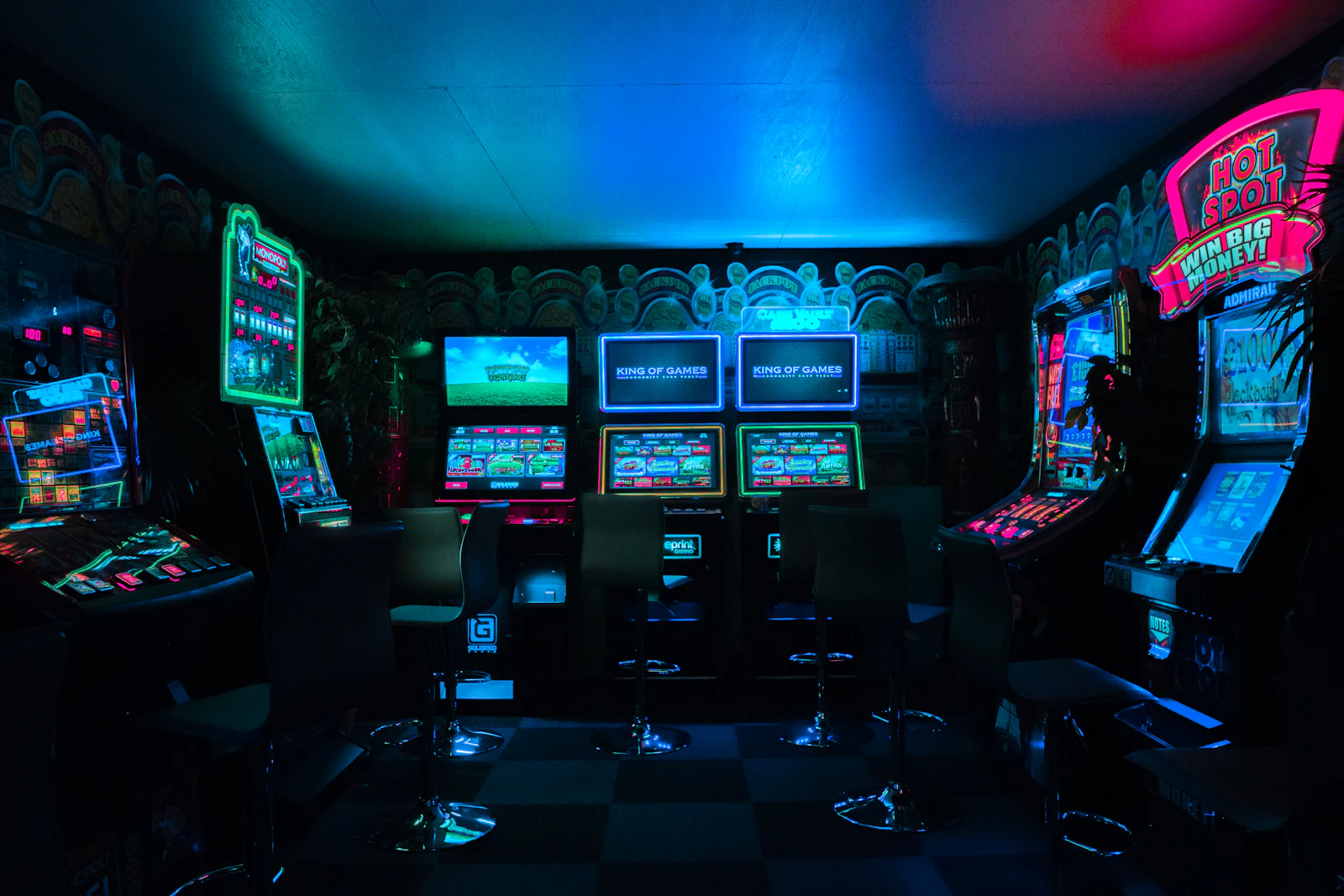
  • Gaming lounge, standing in for the gaming-centre future-direction
    Planned

    Gaming centre management

    Gaming centre sessions, time-based billing, customer records and machine management.

07 /Game Studio

A different kind of problem.

Codoxa Game Studio develops 2D and 3D games and interactive experiences for mobile and PC. It runs as its own practice, with its own tools and its own pace, and the work it produces is shown here as it ships.

View Game Studio

08 /How we work

Six steps, in order.

  1. 01

    Discover

    Learn the business, the people using the software, and what actually needs to change.

  2. 02

    Strategize

    Decide what to build, what not to build, and the technical direction that supports both.

  3. 03

    Design

    Shape the experience and the structure of the product before any of it is expensive to change.

  4. 04

    Develop

    Engineer it, in working increments you can see and react to.

  5. 05

    Launch

    Test it properly, deploy it, and hand it over with what is needed to run it.

  6. 06

    Improve

    Maintain it, watch how it is used, and keep developing it against what you learn.

09 /Selected work

What we have shipped.

Dark workspace, standing in for a project screenshot

Project write-ups and screenshots are being prepared. We would rather show this section properly than fill it with work we cannot stand behind.

10 /Why Codoxa

What you get working with us.

01

We build products, not just projects

Owning and running our own software means we design for the second year of a system, not only its launch.

02

We start from your operations

The first conversation is about how your business runs, not about which framework we would use.

03

We build what fits

If an existing tool solves your problem, we will tell you. Custom work should earn its cost.

04

We stay after launch

Software that is used changes. We plan for maintenance rather than treating it as an afterthought.

Tell us what you are trying to build.

Describe the problem in your own words. We will tell you how we would approach it, and whether we are the right people for it.

Let's Discuss Your Project